


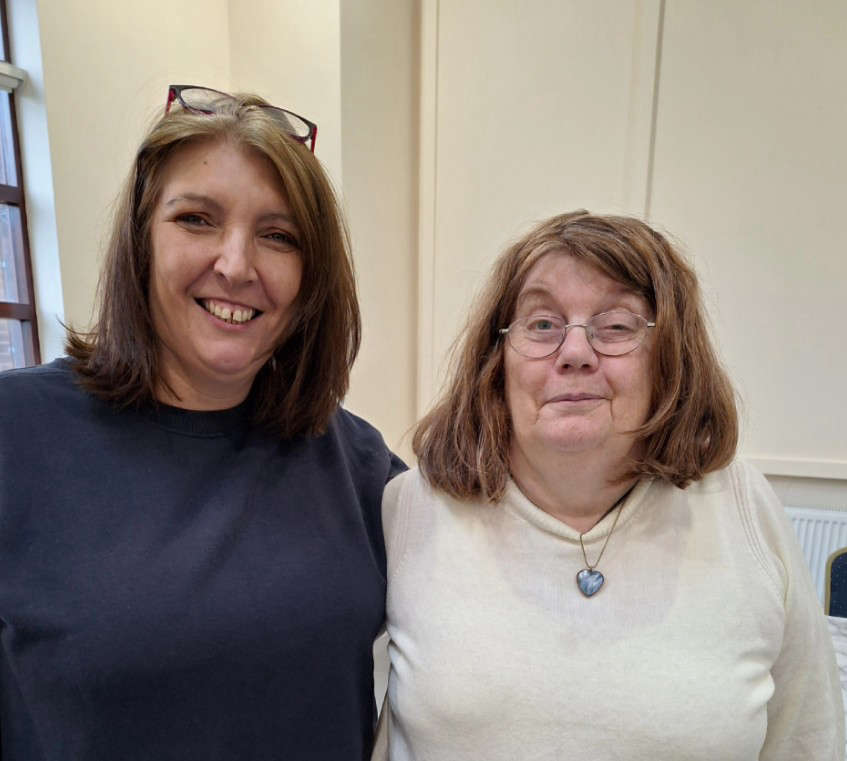
Patients across Bury say social prescribing has played a vital role in improving their mental and physical health, as NHS leaders encourage more people to seek support through talking therapies and community based help.
Social prescribers working with GP practices across Prestwich and Whitefield are highlighting the support available to residents dealing with mental health difficulties, loneliness, long term conditions and practical challenges.
The call comes as national figures show one in five adults in England are living with a mental health condition, and as the NHS promotes wider access to talking therapies.
Social prescribers connect patients to local activities, groups and services that can help address practical, social and emotional needs. Support can include help with housing or finance issues, bereavement, isolation, lifestyle changes and managing long term health conditions. Patients can self refer or be referred by a health professional at their GP practice.
Julie Marshall, a social prescriber working with GP practices across Prestwich and Whitefield, said,
“Creating opportunities where people are comfortable to chat about their mental health can have life-changing results. Talking can often be a more powerful prescription than tablets.”
Elizabeth Roberts, 65, described reaching what she called “hitting rock bottom” after years of struggling with stress, panic attacks, insomnia, depression and anxiety.
She said,
“I struggled with stress which prompted panic attacks, insomnia, depression, anxiety and I was on a lot of medication. When I walked into the River Irwell I felt I wasn’t really there. It was only the thought of my family that saved me.
“Talking therapies and social prescribing has made a difference. Having gone from an active life and civil service career to struggling with my mental and physical health, I also became agoraphobic. Social prescribing has been a revelation. Julie visited me and later took me for walks. We would just talk and put in place a plan to improve my health and wellbeing. It’s taken time, but now I am able to attend social drop-in events and walk round the supermarket. This may not seem much, but, for me, it’s an enormous step in the right direction and feels like the world is reopening.”
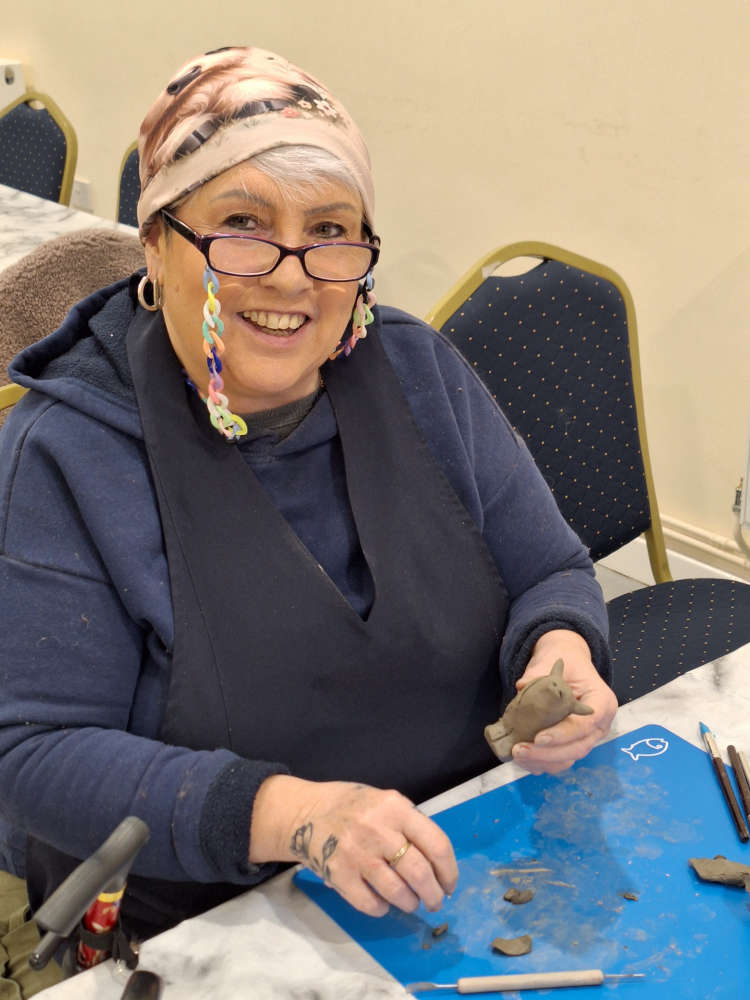
Allison Dunne, from Whitefield, said adapting to disability had been “really tough.”
She said,
“Becoming immobile limited my chance to engage with the world. I felt invisible. Social prescribing events, community groups and crafts has enabled me to meet new people, share stories and feel supported. It’s given me a new lease of life.”
Prestwich resident Eulah Varley was diagnosed with Non Epileptic Attack Disorder after a sudden blackout led to a car crash. She experienced up to 30 blackouts a day.
She said,
“Talking therapy really helped to reduce multiple stress-related anxiety attacks and having a ‘social prescription’ including social drop-ins, crafting, walking and talking groups has further boosted my mental and physical health.”
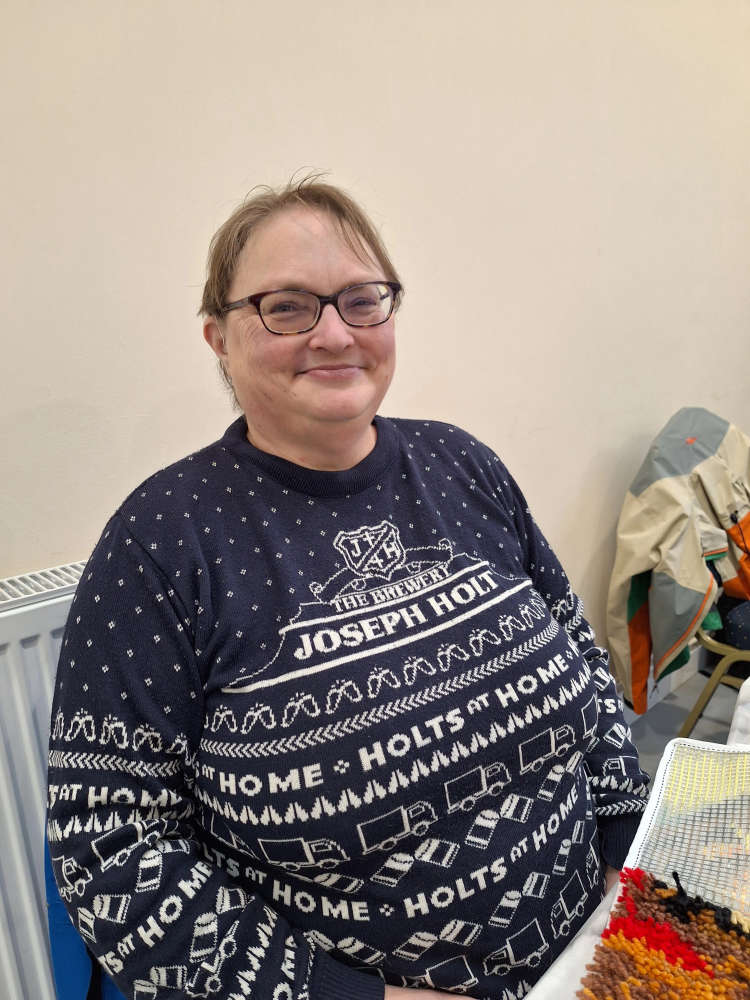
The Bury team includes 10 social prescribers working across GP practices in the borough. They say making time to talk is essential to people’s health and wellbeing.
Anyone struggling with their mental health can also contact NHS 111 and select the mental health option, or call 999 in an emergency.
 Suspected human trafficking uncovered after house collapse
 Boz Park in Unsworth becomes Bury’s eighth Local Nature Reserve
 Tottington by-election Results
 Reform UK wins Tottington by-election
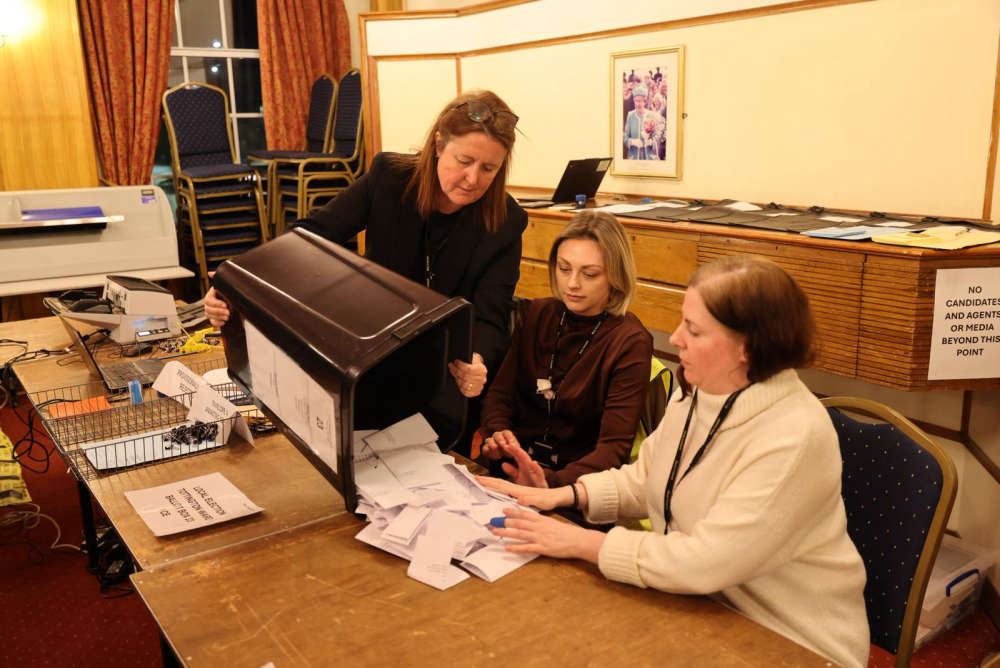 LIVE from Tottington as by election result expected overnight
 Council celebrates staff achievements at Rochdale Town Hall awards
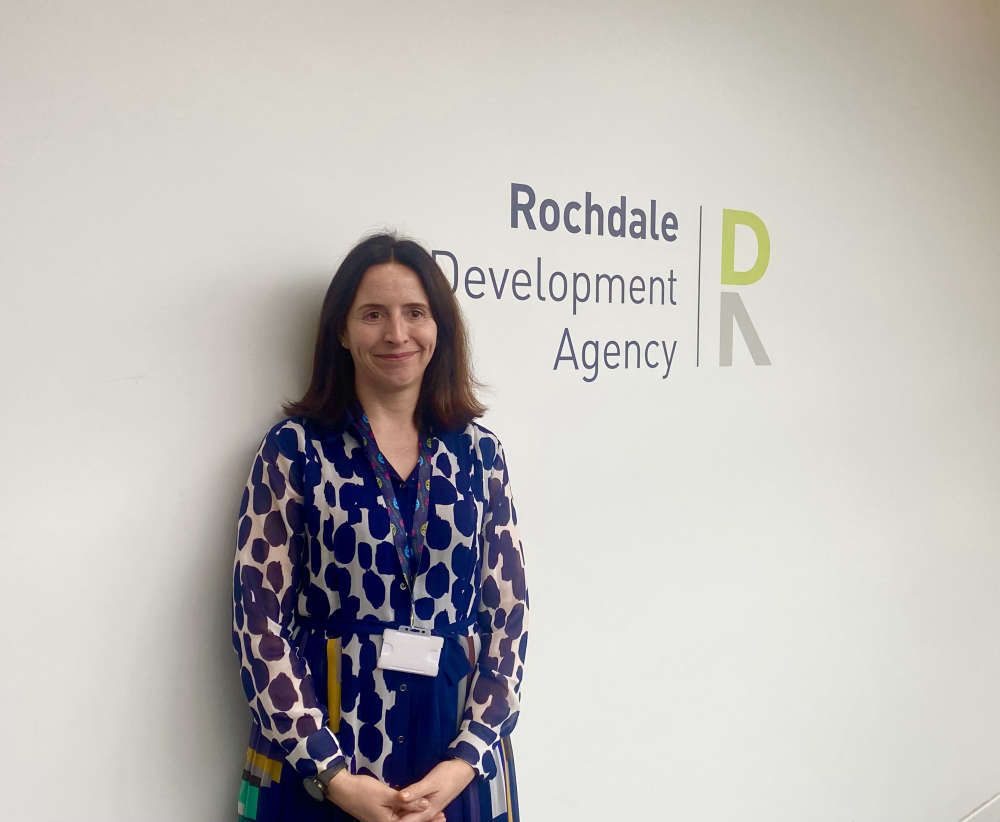 Rochdale Development Agency appoints Rachel Laver as managing director
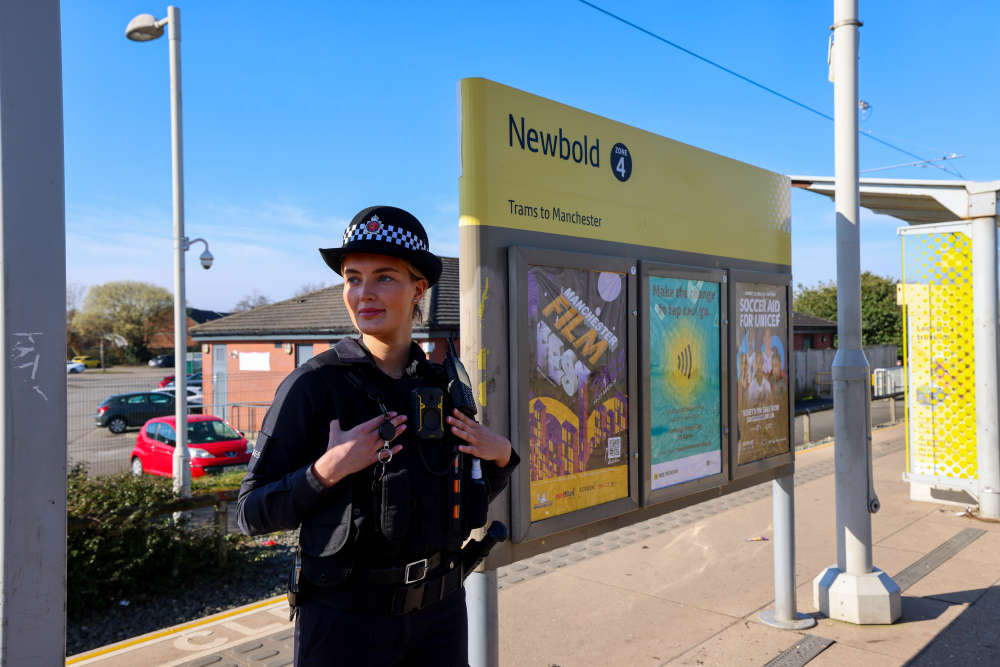 Police issue 48 hour dispersal order in Rochdale town centre after anti social behaviour reports
 Active Bolton takes over borough leisure centres under new council arrangement
 First stage of 1,000-home development approved in Heywood
 There’s an election happening in Bury today – but no one knows it’s happening
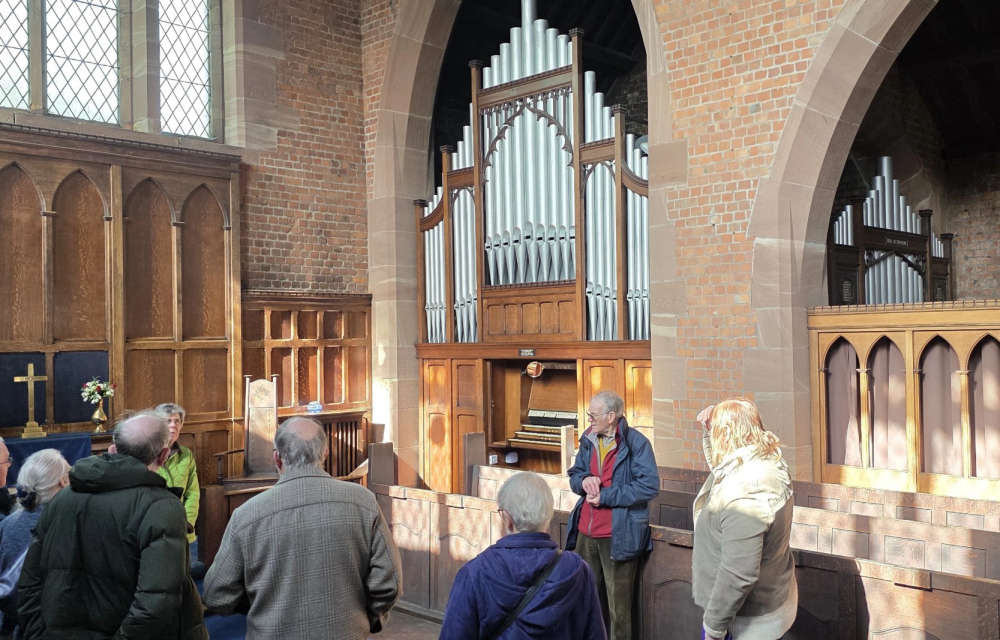 Organists at large … in Middleton





Comments
Add a comment